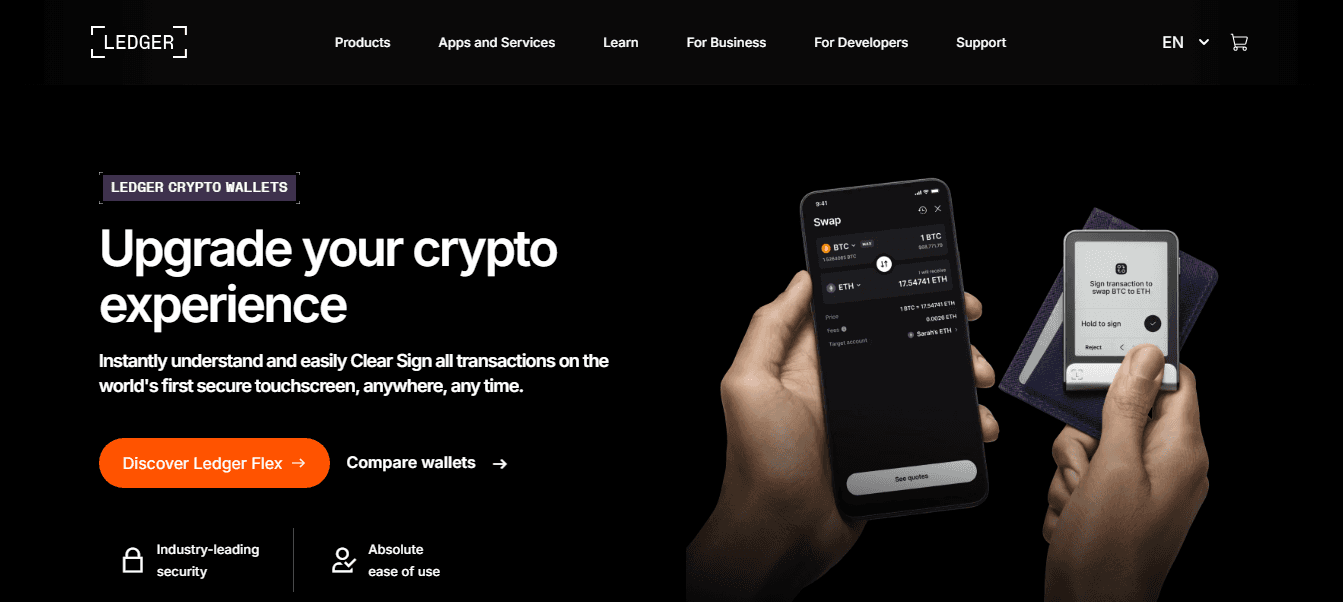
Ledger Login: Everything You Need to Know About Safely Accessing Your Hardware Wallet
Cryptocurrency ownership comes with a major responsibility: protecting your digital wealth from theft, loss, and online attacks. As crypto adoption grows, more users are turning to hardware wallets for secure storage, and Ledger remains one of the most trusted names in this space. Understanding how the Ledger login process works is crucial for anyone who wants to manage digital assets with confidence. This comprehensive guide explains how the login system functions, how to troubleshoot common problems, and how to enhance your overall security while using Ledger devices.
What Ledger Login Really Means
Unlike typical online services where you sign in with a username and password, Ledger’s login system is built around physical authentication. When users refer to “Ledger login,” they are usually talking about the steps involved in:
Unlocking the Ledger hardware device with a PIN
Accessing the Ledger Live application to manage crypto accounts
Approving actions directly on the device
This structure ensures that you maintain full control over your private keys, which never leave the Ledger device. Because the keys remain offline, the login process offers a far safer environment than software wallets or exchanges.
How Ledger Devices Manage Access
Ledger devices act as secure vaults for your private keys. When you set up the wallet, the device generates a unique 24-word recovery phrase. This phrase is the root of your security and must be protected at all costs. The login process itself is built with several layers of security, including:
A PIN code that locks or unlocks the device
A secure USB or Bluetooth connection
A confirmation requirement for every transaction
Each step is designed to ensure that no one can use your wallet—not even if they have your computer, your phone, or your Ledger Live app password.
Detailed Steps for Ledger Login
Power on and Connect Your Device
To begin the login process, plug your Ledger Nano into your computer or open the Bluetooth connection with your phone if you are using a Ledger Nano X. The device will automatically turn on and display a PIN prompt.
Enter Your PIN Code
The PIN code is your primary line of defense. You created it during the initial setup, and it must be entered correctly before the device can be used. If three incorrect attempts are made, the device resets to protect your assets. This strict protection ensures no unauthorized person can access your wallet even with physical possession of the device.
Open Ledger Live
Once your hardware wallet is unlocked, open Ledger Live on your computer or smartphone. Ledger Live acts as your dashboard for managing crypto. It displays your balances, transaction history, account details, staking options, and supported tokens.
Ledger Live does not store your private keys—it simply communicates with the Ledger device to show your crypto information.
Allow the App to Access the Device
When Ledger Live detects the device, it may prompt you to confirm actions such as opening an app or accessing the Manager section. You must confirm these actions on the hardware wallet. This stops unauthorized software from interacting with your device without your permission.
Manage Your Crypto Accounts
After the login is complete, you can:
View assets and balances
Add new accounts or coins
Install or remove blockchain apps
Send and receive digital currency
Swap or stake supported tokens
Every significant action still requires device confirmation, keeping full control in your hands.
Why the Ledger Login Process Is So Secure
Ledger’s login and authentication flow is considered one of the safest in the crypto industry. Several mechanisms contribute to this:
Offline Key Storage
Private keys never leave the device. Even when you sign a transaction, the signing happens inside the hardware wallet, not on your computer.
Secure Element Technology
Ledger devices use a specialized security chip designed to protect against physical attacks, tampering, and unauthorized attempts to access stored data.
PIN-Protected Access
The PIN makes it almost impossible for someone to access your wallet if they find or steal your device.
Mandatory Physical Confirmation
No transaction can take place unless you physically confirm it on the hardware wallet. Even malware on a computer cannot bypass this requirement.
Recovery Phrase Backup
The recovery phrase ensures that even if the device is lost or damaged, you can restore your funds on a new Ledger or another compatible hardware wallet.
Common Ledger Login Problems and How to Solve Them
Even though Ledger devices are highly secure and reliable, users sometimes run into login issues. Here are the most frequent problems and ways to handle them smoothly:
Device Not Recognized by the Computer
If your computer doesn’t detect the Ledger device:
Try another USB cable or port
Restart Ledger Live
Try a different computer
Make sure you entered your PIN correctly
Ensure the device is not in an idle or locked state
Many connection issues are caused by faulty cables, so replacing the cable often solves the problem.
Bluetooth Pairing Issues
If you are using a Ledger Nano X:
Turn Bluetooth off and back on
Forget and re-pair the device
Ensure your device is close enough
Restart your smartphone
Bluetooth issues are usually minor and easy to resolve.
Ledger Live Not Syncing
If your balance does not appear correctly:
Refresh the accounts
Clear the cache in Ledger Live
Restart the application
Reinstall blockchain apps (this doesn’t affect your funds)
The blockchain continues to function independently of Ledger Live, so syncing issues do not impact your actual assets.
Forgotten PIN Code
If you forget your PIN:
The device will eventually reset after several incorrect attempts
You can restore your wallet using the 24-word recovery phrase
This is a reminder that protecting your recovery phrase is essential.
Stuck Firmware Update
If a firmware update fails:
Close and reopen Ledger Live
Reconnect the device
Try the update again
Ensure your device has enough battery (for Nano X)
Firmware updates often include critical security patches, so avoid delaying them.
Best Practices for a Safe and Smooth Ledger Login Experience
A secure hardware wallet is powerful only when used correctly. Following best practices ensures that the login process—and your crypto holdings—remain safe.
Protect Your Recovery Phrase
Your 24-word phrase is the ultimate backup. Never:
Photograph it
Store it online
Enter it into any website or app
Share it with anyone
Write it down and keep it in a secure place, ideally using a fireproof or metal backup.
Keep Your Ledger Live Application Updated
Updates help improve compatibility, performance, and security. Running an outdated version may lead to errors or vulnerabilities.
Enable Password Lock for Ledger Live
This optional feature adds another layer of protection in case someone gains access to your computer.
Avoid Untrusted Devices
Only connect your Ledger to computers and phones you trust. Even though the secure chip protects you from most threats, using unsafe devices increases the risk of phishing attempts.
Double-Check Every Transaction
Never rush when confirming transaction details. Verify the address and amount displayed on your Ledger device before approving.
Why Ledger Login Is Essential for Serious Crypto Holders
In an environment where digital theft and scams are common, relying solely on online wallets or exchanges exposes users to significant risk. Ledger’s login method puts the responsibility—and the power—back into your hands. With offline key storage, physical confirmation, and advanced security chips, Ledger offers one of the strongest solutions for safeguarding cryptocurrency.
Whether you hold a small portfolio or a diverse collection of tokens, learning to use the Ledger login process properly is a crucial step in protecting your investments.